Rental Garden Decor Checklist: No Holes, No Damage, No Deposit Lost
Renting a place with a bare yard, balcony or courtyard is a particular kind of frustration. You want colour, a bit of light, some personality in the space — and you also want your deposit back.
The good news: almost everything that makes an outdoor space feel decorated can be hung, weighted or planted without leaving a permanent mark. Here's the checklist worth running through before you buy a single hook.
Most tenancy agreements draw a line between "temporary, removable decoration" and "fixing things to the structure." Read yours before you plan anything. If the wording is vague, ask your landlord or agent in writing and keep the reply — a one-line email now saves an argument at inspection time. Rental rules vary by country, lease type and even by individual building, so treat your own agreement as the authority rather than anyone's general advice, including this.
Then walk the space and look at the actual surfaces.
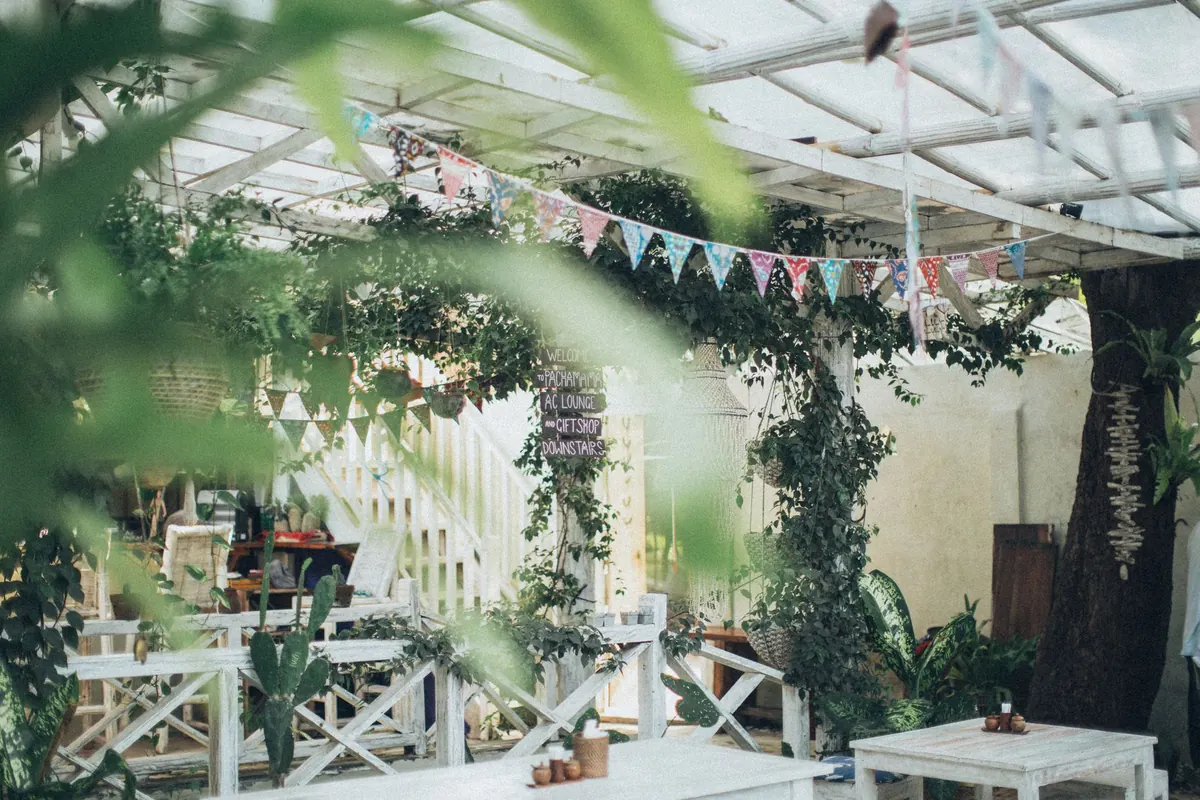
Bunting looks best when it's strung, not stapled. A length of twine or thin paracord tied around two fence posts — around, not into — will hold a full run of triangles with nothing drilled. Where there's no anchor, use weight instead: fill two buckets or planters with gravel, tie the line to their handles, and you have a display that comes down in five minutes.
Three details separate charming from shredded. Leave about a third of the run as slack so the line moves with the wind instead of snapping. Pin each triangle with a clothespin or small cable tie so flags don't slide into a clump at one end. Keep the line relatively low, roughly waist height on a fence, where gusts have less leverage. And take fabric down before named storms; a bunting line that survives winter is usually one that was never left out.
One warning worth repeating: never tie anything to a downpipe, gutter or drain cover. They aren't built to take sideways pull, and a bent downpipe is a repair bill that comes straight out of your deposit.
LED string lights run cool and draw very little power, which makes them the practical choice for renters. Battery and solar versions exist in most styles, so you can skip the cable question entirely.
When you need to fix a line in place, work through this order of preference:
Adhesive hooks deserve their own caveat. On gloss paint, sealed timber, tile or glass they usually come away cleanly. On emulsion, wallpaper, render or a surface that's already flaking, they can take the finish with them. Test one in a hidden spot, leave it a day, then remove it slowly by pulling the tab straight down rather than outwards. If paint lifts during the test, skip adhesive everywhere.
If you use cable ties, thread a scrap of felt or folded cloth between the tie and the surface so it doesn't chafe through paint. If you're running power, use a cord rated for outdoor use, keep connections off the ground and plug into a protected outlet where one is available. Indoor extension leads left outside are a genuine hazard, not just a rule.
Most "plant damage" in rentals isn't from plants at all. It's from water.
Artificial turf is its own case: ground stakes leave visible holes, and heavy pots flatten the pile where they sit. Move them every few weeks and stick to weighted bases rather than pegs. For climbers, use a freestanding trellis or an obelisk pushed into a large pot — no wall fixings, and it moves house with you.
Keep a small box of supplies so removal day isn't a scramble: felt pads, black cable ties, magnetic hooks, suction hooks, gutter clips, garden twine, removable adhesive strips, two small sandbags or water weights, drip trays, wire cutters and a soft brush. Add a roll of masking tape for labelling which line goes where — next year you'll thank yourself.
Take everything down, then work backwards through your setup. Remove fixings the way the manufacturer intended, wipe glass and metal, sweep or hose the ground, and photograph the space from the same angles as your original shots. Compare the two sets side by side.
If a small mark did happen, say so. A landlord who hears about a scuff before inspection usually treats it very differently from one who discovers it. Hiding damage rarely works, and it costs you the goodwill you'd otherwise have.
None of this means settling for a bare space. It means choosing anchors over fixings, weight over hardware, and saucers over optimism. Bunting tied to posts, lights on magnetic hooks, pots on feet and a freestanding trellis will give you a garden that feels finished — and a move-out morning that takes an hour instead of a fortnight. Check your fixings once a month, and you'll catch the loose suction cup or fraying tie before it becomes anyone's problem but your own.
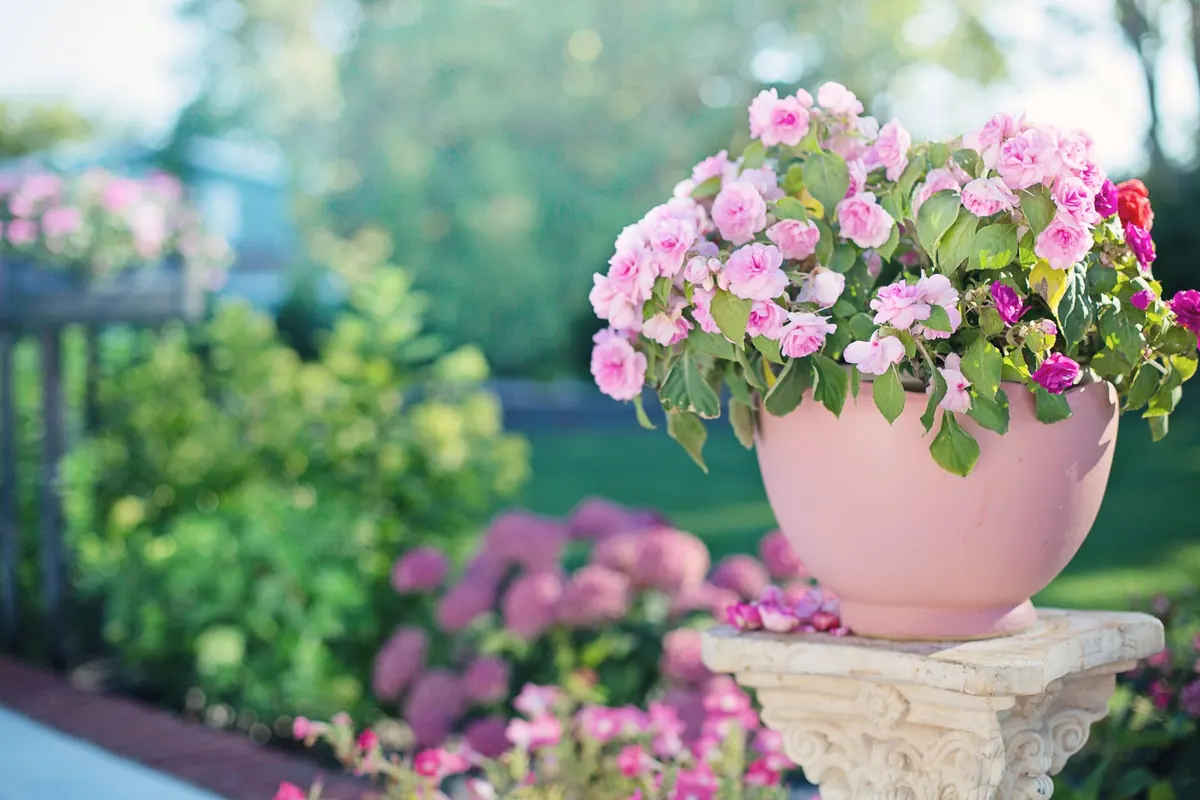
Photo: Jill Wellington / Pexels
Previous Post
DIY Rain-Proof Outdoor Bunting: Materials and Step-by-Step Method
Next Post
How to Style a Small Balcony with Bunting and Garden Flags